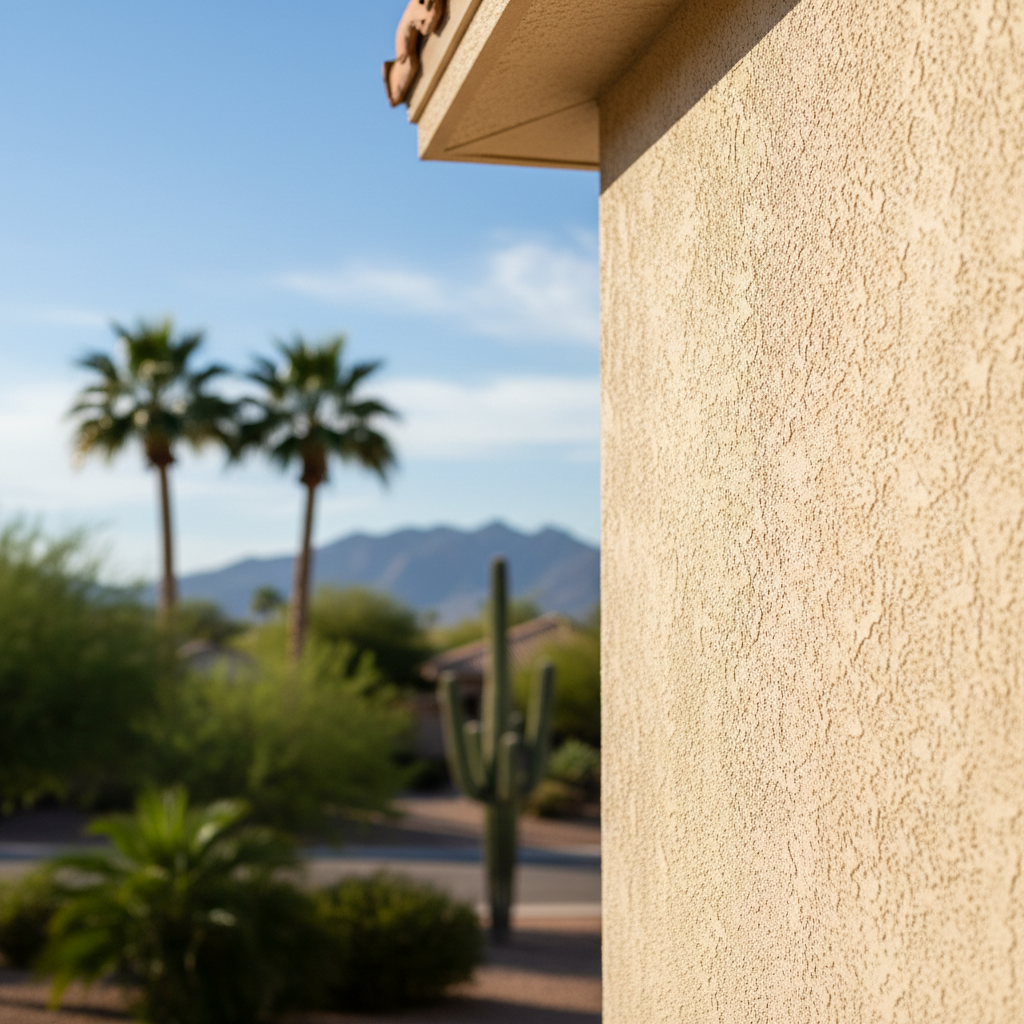
You've got stucco, or you're thinking about it, and you've got questions. That's good! It's a big part of your home's exterior, especially here in Phoenix, and you want to make sure you understand it. I get asked a lot of the same things, so I figured I'd put together a straightforward FAQ based on what I see and hear every day. No fluff, just the facts from someone who works with this stuff all the time.
How long does stucco really last in the Phoenix heat?
This is probably the number one question I get, and it's a good one because our sun is no joke. Traditional hard-coat stucco, when installed right and maintained properly, can easily last 50 years or more here in Phoenix. I've seen homes in older neighborhoods like Arcadia or central Phoenix with stucco that's been there for decades and still looks solid. The key, of course, is 'installed right and maintained properly.' The sun's UV rays and our extreme temperature swings are tough on everything, including stucco. What you'll typically see first isn't the stucco itself failing, but the paint or finish coat fading, chalking, or cracking. That's usually your sign it's time for a re-dash or a fresh coat of elastomeric paint, which acts as a protective barrier.
Is stucco waterproof, or do I need to worry about rain?
This is a common misconception. Stucco itself isn't completely waterproof; it's water-resistant. Think of it like a good raincoat – it sheds most of the water, but if there's a tear or a seam isn't sealed right, water can get through. The stucco system is designed to manage moisture, not completely block it. There are multiple layers: the lath, the scratch coat, the brown coat, and then the finish coat. Behind all that, there should be a proper water-resistive barrier (WRB), like building paper or a synthetic wrap, which is the real last line of defense against water getting into your wall assembly. If you've got cracks, especially around windows, doors, or at the base of your walls, that's where water can sneak in. That's why keeping up with repairs and making sure your flashing and sealants are good is so important, especially before our monsoon season hits.
Can I paint stucco, or do I always have to re-dash it?
Absolutely, you can paint stucco, and it's a very common way to refresh its look and add protection. In fact, many homes here in Phoenix are painted stucco. When you paint, you're not just changing the color; you're adding another layer of defense against the elements. I recommend using high-quality elastomeric paint. It's flexible, so it can bridge hairline cracks and move a bit with the stucco as temperatures change, which is a big deal in our climate. It also provides excellent UV protection and helps shed water. Re-dashing is a more involved process where a new layer of stucco finish is applied over the existing one, restoring the texture and color from the ground up. You'd typically re-dash if the existing finish is severely deteriorated, has major texture inconsistencies, or if you want a completely different texture. For most aesthetic updates or minor wear, a good paint job is often sufficient and more cost-effective.
What causes those hairline cracks I see, and are they a big deal?
Hairline cracks are pretty common in stucco, especially here in Phoenix. A lot of times, they're just surface-level and aren't a major structural concern. They can be caused by a few things: normal expansion and contraction due to temperature changes (our daily swings are huge!), minor settling of the house, or even just the stucco drying too quickly during installation. If they're truly hairline – meaning you can barely see them and they don't go through the entire stucco layer – they're usually not letting in much water. However, if they start to widen, spiderweb, or you see water stains below them, then it's time to get them looked at. Small cracks can be filled and painted over, but larger, deeper cracks might indicate a bigger issue and need a proper stucco patch. Don't ignore them, but don't panic over every tiny line either.
How often should I clean my stucco, and what's the best way?
Cleaning stucco isn't something you need to do every week, but a good wash every year or two can really help maintain its appearance and prevent dirt and grime from building up. Here in Phoenix, dust is a constant battle, and sometimes you'll get algae or mildew in shaded, damp spots, though that's less common than in humid climates. For most general cleaning, a soft brush and a garden hose with plain water or a mild detergent solution (like dish soap diluted in water) is usually enough. Work from the top down and rinse thoroughly. For tougher spots, a low-pressure power washer can be used, but you need to be really careful. Too much pressure can damage the stucco surface, blast water behind it, or even strip off paint. If you're unsure, it's always better to go with less pressure or call someone who knows what they're doing. You don't want to turn a simple cleaning into a repair job, right?
Is stucco a good insulator for our hot climate?
Stucco itself isn't a primary insulator, but it does contribute to your home's thermal performance. It's a dense material, so it has a good thermal mass. This means it absorbs heat slowly during the day and releases it slowly at night. In our hot climate, this can help stabilize interior temperatures, making your AC work a little less hard, especially if you have good insulation behind the stucco. Modern stucco systems, particularly those with an exterior insulation and finish system (EIFS), incorporate continuous insulation directly into the wall assembly, which significantly boosts R-value and energy efficiency. Even traditional stucco, combined with proper wall cavity insulation, creates a durable, relatively airtight envelope that helps keep the heat out. It's definitely a better choice than some other siding materials when it comes to dealing with Phoenix's intense sun.
What's the deal with stucco 'weep screeds' and why are they important?
If you look at the very bottom edge of your stucco wall, just above the foundation or grade, you'll see a metal or plastic strip with small holes or slots. That's a weep screed, and it's absolutely critical for the long-term health of your stucco system. Its main job is to terminate the stucco at the bottom and, more importantly, to provide an exit path for any moisture that might get behind the stucco. Remember how I said stucco isn't completely waterproof? Any water that gets past the finish coat or through cracks needs a way to drain out, rather than being trapped inside the wall where it could cause rot or mold. The weep screed directs this water out and away from your foundation. It also helps prevent moisture from wicking up into the stucco from the ground. If your weep screed is buried by landscaping, damaged, or missing, you're setting yourself up for moisture problems. Make sure it's always clear and at least 4-6 inches above grade. It's a small detail, but it's a big deal for your home's integrity, and something we always check when we're doing work at Integrity Stucco.