What exactly is EIFS, and how's it different from traditional stucco?
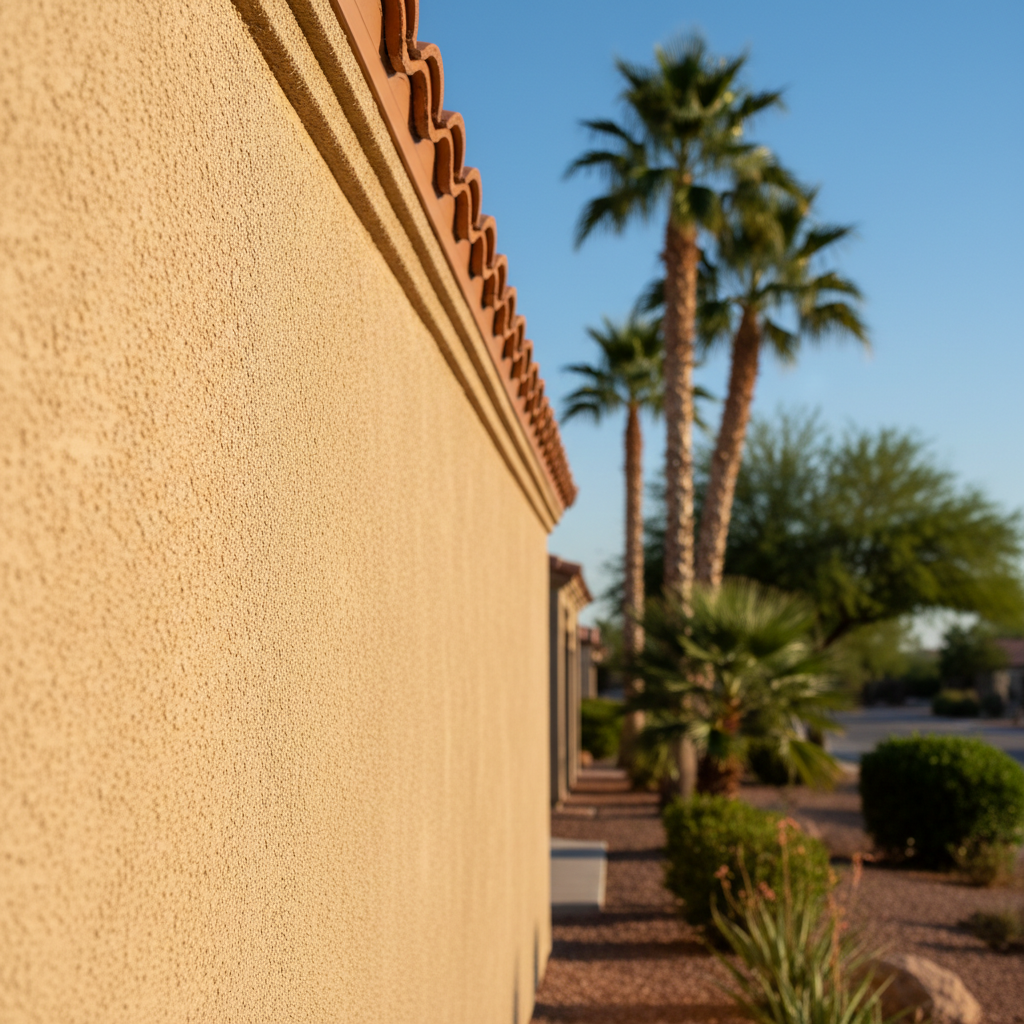
Alright, let's just get straight to it because this is probably the biggest question I hear. EIFS stands for Exterior Insulation and Finish System. Picture it like a layered cake for your home's outside walls. First, you've got a layer of insulation board – usually expanded polystyrene (EPS), which is basically rigid foam. We either mechanically attach that or glue it right onto your sheathing. Then, we put on a base coat, often reinforced with a fiberglass mesh, and finally, the top finish coat. This last layer is usually a synthetic material, and it looks a lot like traditional stucco.
Now, traditional stucco, especially what you see on older homes right here in Phoenix, is a cement-based product. It's hard, it's brittle, and we apply it in multiple layers over a lath system, directly to the wall. The big difference? Insulation. Traditional stucco doesn't really offer much insulation on its own. EIFS, on the other hand, is specifically designed to insulate your home, making it much more energy-efficient. It's also more flexible than traditional stucco, so it's less likely to crack from building movement or those big temperature changes we get here in the desert. That's a pretty big deal, honestly.
Is EIFS durable enough for the Phoenix heat and sun?
Absolutely, it is. This is another common worry, and I totally get why. Our sun is brutal, and those summer temperatures can cook just about anything. But modern EIFS systems are built to handle it. The synthetic finish coats are made with acrylics and other polymers that really resist UV damage and fading. They're also designed to put up with thermal cycling – going from 115 degrees in the afternoon to maybe 80 at night, day after day. That flexibility I mentioned earlier really helps stop those hairline cracks you often see in traditional stucco after a few years in this climate.
The key, just like with any exterior system, is getting it installed correctly. If it's done right, with good materials and experienced crews like ours at Integrity Stucco, EIFS will stand up to the Phoenix elements for decades. You'll notice it on a lot of commercial buildings around town, and they take a beating from the sun just like our homes do.
Will EIFS make my energy bills actually go down?
You bet it will. This is one of the main reasons people pick EIFS, especially somewhere like Phoenix where the AC runs almost constantly for half the year. Remember that insulation board I talked about? It's a fantastic thermal barrier. It stops heat from getting into your house in the summer and keeps it from escaping in the winter. Think about it: your walls are a huge surface area. If they're not insulated well, you're constantly fighting the outside temperature. EIFS dramatically cuts down that heat transfer.
I've had clients tell me they felt a difference in their home's comfort almost right away, and their energy bills showed it. It's not just about the R-value of the insulation either; it's about creating a continuous thermal envelope around your home. This minimizes thermal bridging, which can happen with other insulation methods. It's a smart investment for energy savings in our climate, no doubt.
What about moisture? I've heard EIFS can have water problems.
This is a really important question, and it comes up because of some issues with older EIFS systems back in the 80s and 90s, especially in wetter places. Those early systems were often barrier EIFS, meaning they relied only on the outside finish to keep water out. If there was a break – say, around a window or a poorly flashed roofline – water could get stuck behind the system with no way to escape. That led to rot and mold, which was obviously not good.
However, modern EIFS has changed a lot. Today, almost all EIFS installed is a 'drainage' or 'water-managed' system. This means there's a drainage plane built right into the system, usually a vertical channel or a dimpled insulation board. This lets any water that might get behind the finish drain harmlessly away and out through weep holes at the bottom. It's designed to manage water, not just block it entirely. Proper flashing around windows, doors, and rooflines is still super important, just like with any exterior siding. When a professional installs it correctly, modern EIFS is very good at preventing moisture problems, even with our monsoon rains that can sometimes dump a lot of water quickly.
Is EIFS more expensive than traditional stucco?
Generally, yes, EIFS usually costs more upfront than traditional stucco. There are more parts involved – the insulation board, the base coat, the mesh, and then the finish coat – and the installation process can be a bit more complex, needing specialized training for the crews. You're also paying for that extra insulation and the improved flexibility.
However, it's smart to look at the long-term value. The energy savings you'll get from EIFS can actually make up for that initial cost over time. Plus, its better durability and crack resistance often mean less maintenance and fewer repairs down the road compared to traditional stucco. This is especially true in a dynamic environment like Phoenix, where ground movement and temperature swings can cause cracking. So while the sticker price might be a little higher, the total cost of ownership can be very competitive, and you get a more comfortable, energy-efficient home in the bargain.
What kind of maintenance does EIFS need?
One of the great things about EIFS is that it's pretty low maintenance. It doesn't need painting like wood siding, and it's less likely to crack than traditional stucco. The main thing you'll need to do is keep it clean. Dust and dirt can build up, especially here in the desert, and you might get some mildew in shady, damp spots, though that's less common in Phoenix than in humid climates. A gentle wash with a garden hose and a soft brush, or a low-pressure power washer (be careful not to use high pressure, as it can damage the finish), usually does the trick.
You should also do an annual inspection, or have us do one, to check for any physical damage, cracks, or sealant failures around windows, doors, and other openings. If you spot any issues, it's best to fix them quickly to prevent water from getting in. Keeping up with these simple tasks will make sure your EIFS looks great and works well for many years.
We work all over the Valley, from the older homes in Arcadia to the newer builds out in Queen Creek, and we see how well EIFS holds up when it's taken care of. It's a solid choice for our desert environment.
Can I choose different colors and textures with EIFS?
Absolutely! This is where EIFS really shines when it comes to design choices. The finish coat can be tinted to almost any color you can imagine, giving you a huge palette to work with. And it's not just colors; you can get a wide range of textures too. We can create finishes that look like traditional sand-float stucco, a smooth contemporary look, or even more aggressive textures. Some systems can even be shaped and carved to create architectural details like cornices, columns, and decorative bands that would be very difficult or expensive to achieve with other materials.
This means you're not stuck with just a few standard options. You can really customize the look of your home to match your personal style or architectural vision. It's a versatile system that offers both good looks and high performance, which is a tough combination to beat.