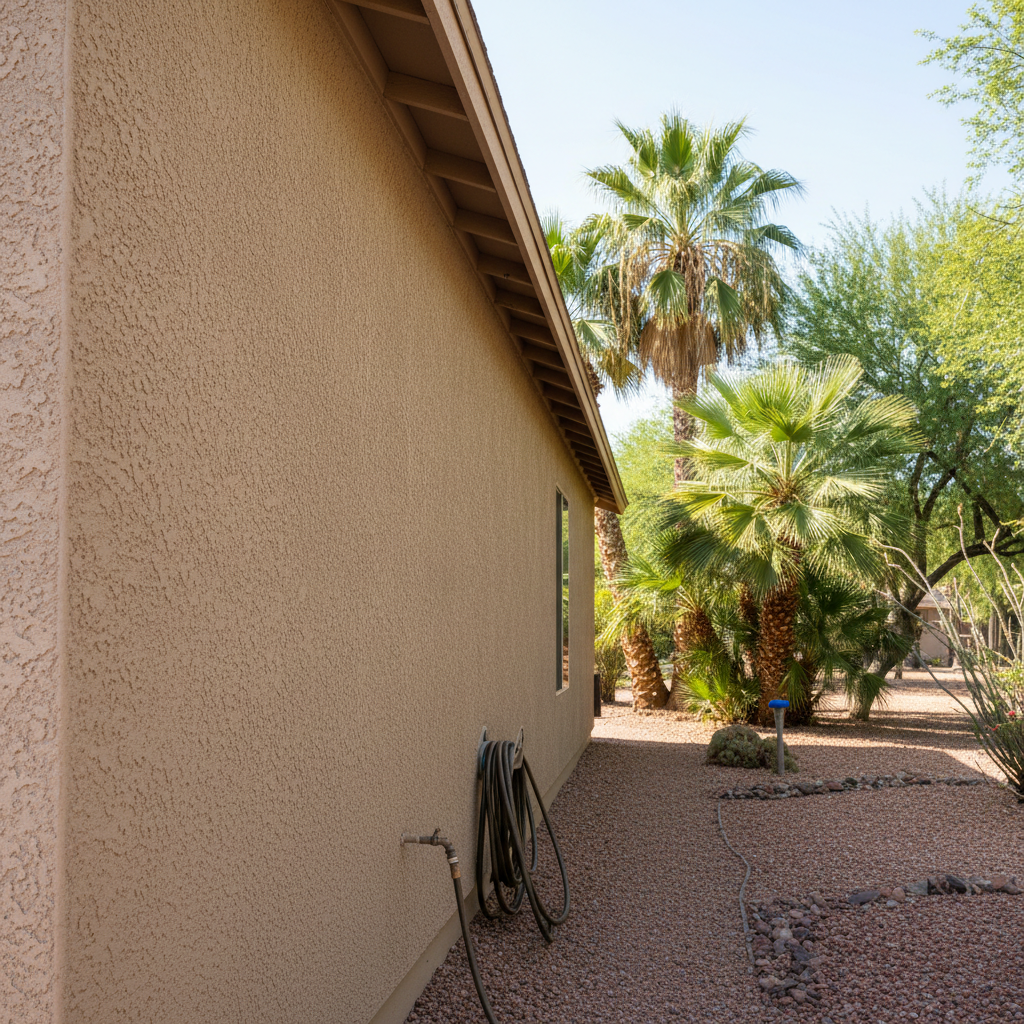
So, you've got a commercial property here in Phoenix, right? Chances are, it's covered in stucco. It's a popular choice for good reason, too – it's tough, looks sharp, and honestly, it handles our desert heat pretty well. But "pretty well" isn't the same as "maintenance-free." If you want that commercial stucco to stick around for decades and keep your building looking its best, you've got to give it some love. Ignore it, and you'll be staring down some seriously expensive repairs, maybe even a full re-dash, a lot sooner than you'd like. Trust me on this one.
Making Your Commercial Stucco Last Longer
Here in our climate, stucco's biggest enemy isn't just the sun; it's water. Sounds a bit backward for a desert, doesn't it? But when water sneaks in behind the stucco, especially after a good monsoon storm, it creates all sorts of headaches. The real secret to long-lasting stucco is stopping water from getting in and shielding the surface from our brutal UV rays.
- Sealant is Absolutely Crucial: I really can't say this enough. You need to check all your expansion joints, around window and door frames, and anywhere the stucco meets another material (like rooflines or trim). Our wild temperature swings mean materials are constantly expanding and contracting, and that eventually cracks sealants. If you spot any cracks or gaps, get them re-caulked with a high-quality, elastomeric sealant. This isn't a one-and-done job; it's a yearly check, at the very least.
- Good Drainage Matters: Just make sure your landscaping isn't sending water straight towards the stucco base. Downspouts should always extend well away from the building. If you've got planters snuggled right up against the wall, those are practically begging for moisture problems. Keep the soil level below the weep screed at the bottom of the stucco.
- Clean It Regularly: Dirt, dust, and grime don't just make your building look crummy; they can actually hold moisture right against the stucco surface. A gentle power wash (and I mean *low pressure*!) once a year can work wonders. Just don't blast it too hard, or you'll mess up the finish.
- Paint or Elastomeric Coatings: Sure, stucco comes colored, but a decent acrylic or elastomeric paint can add another layer of protection against UV damage and minor moisture seeping in. Think of it like sunscreen for your building. This isn't something you do every year, but every 5-10 years, depending on the product and how much sun it gets, it's a smart move.
What Regular Maintenance Actually Looks Like
Picture it as a seasonal check-up for your building's skin. You wouldn't skip oil changes for your company vehicles, would you? It's the exact same idea here.
- Quarterly Visual Inspections: Take a walk around the whole building. Pay extra close attention to corners, around windows and doors, and the base of the walls. Just look for anything that seems off.
- Annual Sealant Check & Repair: Like I said, this is super important. If you catch issues early, it's usually a pretty quick fix.
- Annual Cleaning: A good, gentle wash will keep things looking fresh and stop dirt from piling up and causing trouble.
- Post-Storm Check: After a big monsoon, take another stroll around. High winds can push rain into spots it normally wouldn't reach, and flying debris can cause impact damage.
Warning Signs You've Got a Problem
Spotting these early really saves you money and headaches down the road. So, don't ignore these red flags:
- Cracks: Hairline cracks are pretty common and often not a huge deal. But anything wider than a credit card, or cracks that spread out like a spiderweb (especially around windows), that's cause for concern. Vertical cracks are generally less serious than horizontal ones, which might mean the building itself is shifting.
- Stains: Dark streaks, particularly below windows or near rooflines, usually mean water is getting in somewhere. Green or black stains could be mold or mildew, which screams "persistent moisture."
- Bulges or Soft Spots: If you push on the stucco and it feels soft, spongy, or bulges out, that's a serious indicator of water damage hiding behind the surface. This needs immediate attention, no question.
- Peeling or Flaking Paint/Finish: This means the stucco isn't sticking right, or there's moisture pushing it off from behind.
- Efflorescence: You'll see white, powdery deposits on the surface. This is salt leaching out from the stucco or masonry underneath, carried by water. It's a clear sign that water is getting in.
- Separation from Trim or Windows: If the stucco is pulling away from window frames, door frames, or other trim, that's an open invitation for water to sneak in.
When to Bring in a Professional
Look, I'm all for DIY when it comes to small stuff, but some things are just better left to the experts. If you see any of those serious warning signs – big cracks, bulges, soft spots, or persistent staining – don't try to patch it yourself. You're probably just hiding a much bigger issue.
You should also call a professional if:
- You're not comfortable on a ladder or don't have the right gear for cleaning or checking higher parts of your building. Safety first, always.
- You're not sure what kind of stucco you have or what the best repair method is. There are different types, and they each need a specific approach.
- You need a large section re-dashed or repaired. Getting textures and colors to match perfectly is an art, and it takes real experience to blend new work smoothly with the old.
- You want a thorough inspection from someone who truly knows what to look for, especially if you're buying or selling a commercial property.
At Integrity Stucco, we've seen everything, from tiny cracks on an old downtown building to major water damage on a newer property out in Scottsdale. We know exactly what our Phoenix sun and monsoon rains can do to stucco. A little proactive maintenance really goes a long way in protecting your commercial investment. Seriously, don't wait until a small problem turns into a massive, expensive headache.